
Hot Tub Buying Guide
EVERYTHING BILLIARDS & SPAS
Hot Tub Buying Guide: How to Choose the Right Hot Tub
Buying a hot tub is an exciting way to bring relaxation, comfort, and entertainment into your home. Whether you’re looking for a peaceful place to unwind after a long day, a way to soothe tired muscles, or a space to spend quality time with family and friends, the right hot tub can become one of your favorite places to relax.
But with so many sizes, features, brands, and price points available, knowing where to start can feel overwhelming.
How many seats do you need? Are more jets always better? What’s the difference between a plug-and-play hot tub and a traditional model? And how much should you expect to spend on installation and ongoing maintenance?
This hot tub buying guide walks you through everything you need to know, from choosing the right size and comparing features to understanding costs, installation, energy efficiency, and long-term care.
Need help finding the right hot tub for your home? Call Everything Billiards & Spas at 336-790-8303 to speak with our knowledgeable team about your options.
1. Start With the Right Hot Tub Size
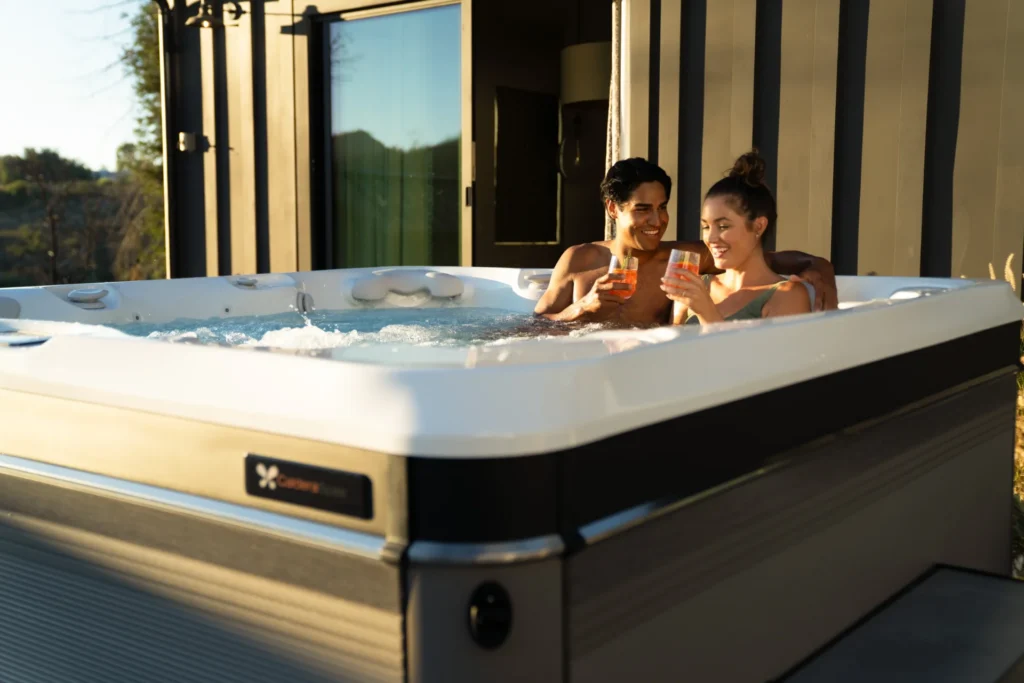
One of the first decisions you’ll make is choosing a hot tub that fits your space and the way you plan to use it. Hot tubs come in a variety of sizes, from compact two-person models to larger spas designed for families and entertaining.
2-3 person
2- to 3-Person Hot Tubs
Typical Use
Relaxation for one or two people
Best For
Couples, smaller patios
Compact hot tubs are a great option for couples, smaller patios, and homeowners who want a relaxing spa experience without taking up too much space.
These models typically offer a smaller footprint and may require less water and energy than larger hot tubs, depending on their construction and efficiency.
A smaller hot tub may be right for you if you’re working with limited space or primarily plan to use it alone or with one other person.
4-5 person
4- to 5-Person Hot Tubs
Typical Use
Everyday use and occasional guests
Best For
Small families
Mid-size hot tubs are a popular choice for homeowners who want a balance between seating capacity and available space.
They provide room for a small family or a few guests while fitting comfortably in many backyard settings.
For many households, a four- or five-person hot tub is a practical starting point.
6-8 person
6- to 8-Person Hot Tubs
Typical Use
Group relaxation and entertaining
Best For
Larger families, spacious backyards
Larger hot tubs are ideal for families, entertaining, and homeowners who want plenty of room to stretch out.
These models may offer multiple seating depths, varied jet configurations, and more flexibility for group use.
Keep in mind that advertised seating capacity doesn’t always reflect how comfortably everyone can sit together. It’s worth trying the seats in person before deciding.
Hot Tub Size Comparison
Actual dimensions, water capacity, and seating comfort vary by model.
| Hot Tub Size | Typical Use | Best For |
|---|---|---|
| 2-3 person | Relaxation for one or two people | Couples, smaller patios |
| 4-5 person | Everyday use and occasional guests | Small families |
| 6-8 person | Group relaxation and entertaining | Larger families, spacious backyards |
2. Measure Your Space Before Buying a Hot Tub
A hot tub might fit on your patio or deck, but there’s more to consider than its outside dimensions.
You’ll also need room for safe access, maintenance, delivery, and any surrounding furniture.
How Much Space Do You Need for a Hot Tub?
Start by measuring the length and width of your intended installation area.
Then consider:
- Entry and exit: Leave enough room to safely enter and exit the spa.
- Maintenance access: Follow the manufacturer’s clearance requirements for accessing equipment and service panels.
- Cover operation: Make sure there’s enough space to open the cover or operate a cover lifter.
- Electrical access: Plan for the electrical connection and any required disconnect location.
- Surrounding features: Account for fences, landscaping, railings, and outdoor furniture.
Hot tubs also need a stable, level surface capable of supporting their filled weight, including the water and occupants.
Can You Put a Hot Tub on a Deck?
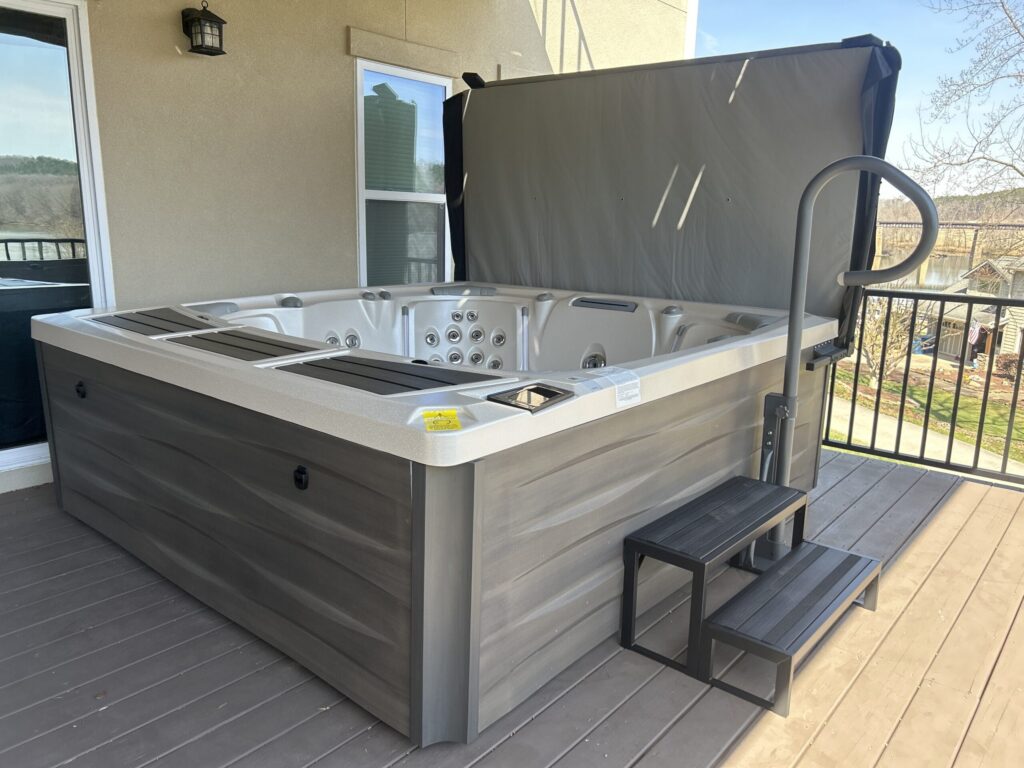
Yes, but the deck must be designed to support the substantial weight of a filled hot tub.
A spa that seems relatively lightweight when empty can weigh several thousand pounds once filled with water and occupied.
Before installing a hot tub on an existing deck, have a qualified structural professional evaluate its load capacity.
Indoor vs. Outdoor Hot Tubs
Most residential hot tubs are installed outdoors, where homeowners can enjoy fresh air and backyard views.
Indoor installations are possible, but they require additional planning for moisture control, ventilation, drainage, and structural support.
For most homeowners, an outdoor installation on a properly prepared concrete pad or other manufacturer-approved foundation is the more straightforward option.
Helpful tip: Mark the approximate dimensions of your preferred hot tub with painter’s tape or temporary markers. This makes it easier to visualize how the spa will fit alongside furniture, walkways, and landscaping.
3. Understand Hot Tub Types and Construction
Not all hot tubs are built the same way. Differences in materials, insulation, electrical requirements, and construction can affect comfort, durability, performance, and long-term ownership costs.
Plug-and-Play vs. Traditional Hot Tubs
One of the biggest decisions is whether to choose a plug-and-play hot tub or a traditional hardwired model.
Plug-and-play hot tubs are generally designed to operate on a compatible 120-volt electrical connection.
These models can be appealing to homeowners who want a simpler setup, particularly when a suitable electrical outlet is already available.
However, they may have limitations in heating and jet operation compared with some 240-volt models.
Traditional hot tubs commonly operate on a dedicated 240-volt electrical circuit.
They may offer more powerful heating systems, additional pumps, and greater flexibility for operating jets and heaters simultaneously.
| Feature | Plug-and-Play Hot Tub | Traditional Hot Tub |
|---|---|---|
| Electrical supply | Typically 120V | Typically 240V |
| Installation | May be simpler with a suitable circuit | Usually requires professional electrical work |
| Heating performance | Often slower | Often faster |
| Jet and heater operation | May have limitations | Often greater flexibility |
| Best for | Convenience and simpler setups | Regular use and broader performance options |
Electrical requirements vary by model. Both types must be installed according to manufacturer instructions and applicable electrical codes.
Acrylic vs. Rotomolded Hot Tubs
The shell is another important consideration.
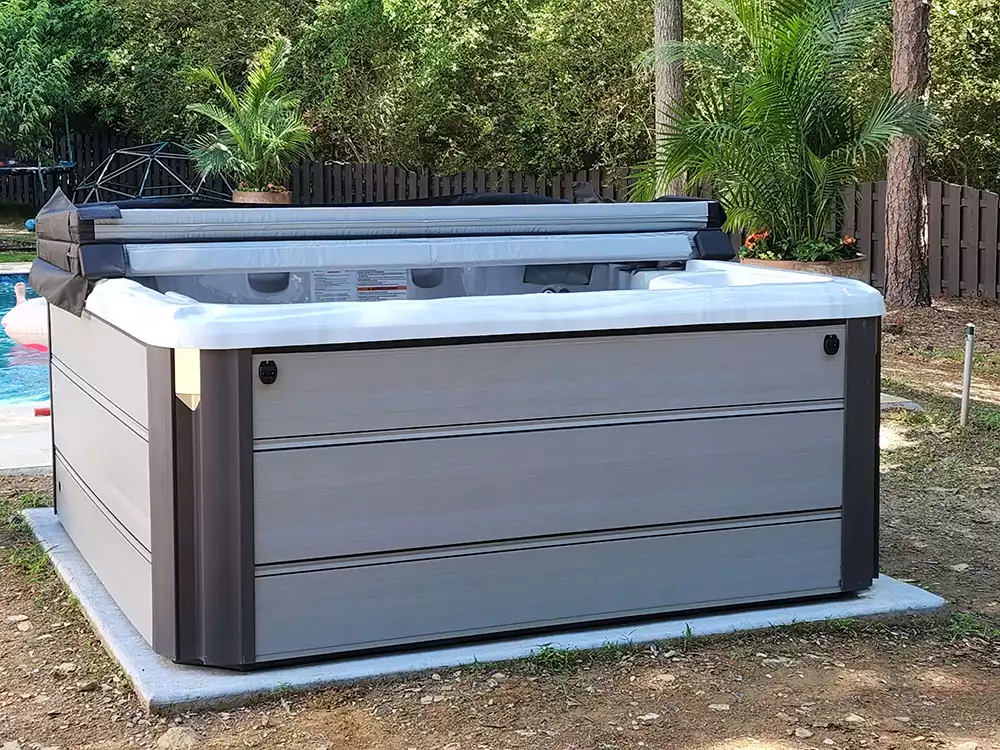
Acrylic hot tubs typically feature a formed acrylic shell supported by a reinforcing structure. They often offer contoured seating, varied finishes, and a wide selection of features.
Rotomolded hot tubs use molded plastic construction and are often found in more budget-friendly models. They can be durable and practical, although available features and finishes may be more limited.
Neither construction type is automatically the best choice for everyone. Consider how the spa feels, how it's built, and how you plan to use it.
Insulation and Cabinet Construction
Insulation plays an important role in maintaining water temperature and managing energy use.
Look for well-insulated shells, quality covers, and cabinets designed to protect internal components from outdoor conditions.
Because insulation systems differ between manufacturers, it's worth asking how each model is designed to retain heat.
4. How Much Does a Hot Tub Cost?
Hot tub prices vary significantly depending on size, construction, features, brand, and overall quality. A basic entry-level spa can cost considerably less than a premium hot tub with advanced hydrotherapy, upgraded insulation, and additional comfort features.
What Affects Hot Tub Pricing?
Several factors influence the total cost:
Size and seating capacity
Larger hot tubs generally require more materials and equipment.
Shell construction
Materials and manufacturing methods affect pricing.
Jets and pumps
Advanced hydrotherapy systems can increase the cost.
Insulation
Higher-quality insulation may cost more initially but help manage operating expenses.
Water care systems
Built-in filtration and supplemental sanitizing features can affect pricing.
Lighting and entertainment
LED lighting, audio systems, and other upgrades may add to the purchase price.
Delivery and installation
Site preparation, electrical work, and delivery access can affect your total investment.
Don't Forget Installation Costs
The advertised price of a hot tub isn’t always the full cost of getting it ready to use.
Depending on your property and the model you choose, additional expenses may include:
- Concrete pad or foundation preparation
- Electrical installation
- Delivery equipment or crane access
- Steps and cover lifters
- Water care supplies
- Permits or inspections, where required
Ask your dealer what is included in the quoted price before making a decision.
Consider Long-Term Ownership Costs
A hot tub also has ongoing expenses, including electricity, water care products, filters, and occasional service.
A less expensive model may not always be the most economical choice over time.
When comparing options, think about how often you’ll use your spa, the level of comfort you want, and the ongoing maintenance you’re comfortable handling.
5. Choose Hot Tub Features That Match Your Lifestyle
Today’s hot tubs offer a wide range of features, but the most important ones are those you’ll actually use.
Rather than focusing on the longest feature list, consider what will make your experience more comfortable and enjoyable.

Hydrotherapy Jets
Jets are one of the biggest differences between hot tub models.
Some are designed for broad, gentle water movement, while others provide more targeted pressure to areas such as the back, shoulders, legs, and feet.
More jets don’t automatically mean a better massage.
Jet placement, adjustability, water flow, and seating design all influence the experience.
Lounge Seats vs. Open Seating
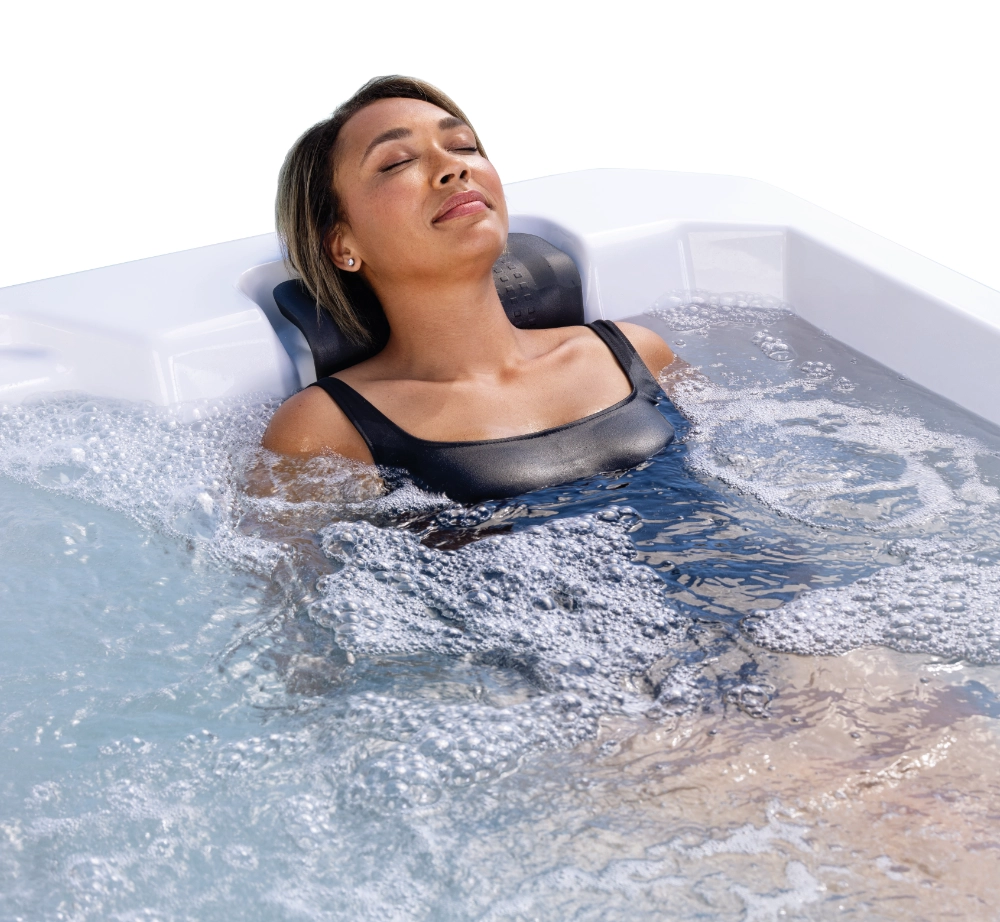
Lounge seats allow you to recline and stretch out, often with jets positioned along the back and legs.
Open seating provides more flexibility for conversation and accommodating multiple users.
If you’re considering a lounge seat, try it in person. Body height and buoyancy can affect how comfortably you stay positioned in the seat.
Water Care Systems
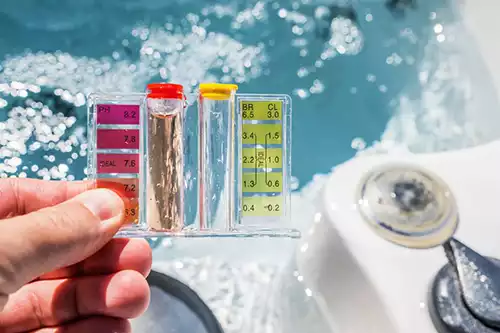
Keeping hot tub water clean is an important part of ownership.
Most hot tubs use filtration along with an approved sanitizer system. Some models also include supplemental systems such as ozone or UV technology.
These features may help support water care, but they don’t eliminate the need to monitor sanitizer levels and water chemistry.
Lighting and Entertainment
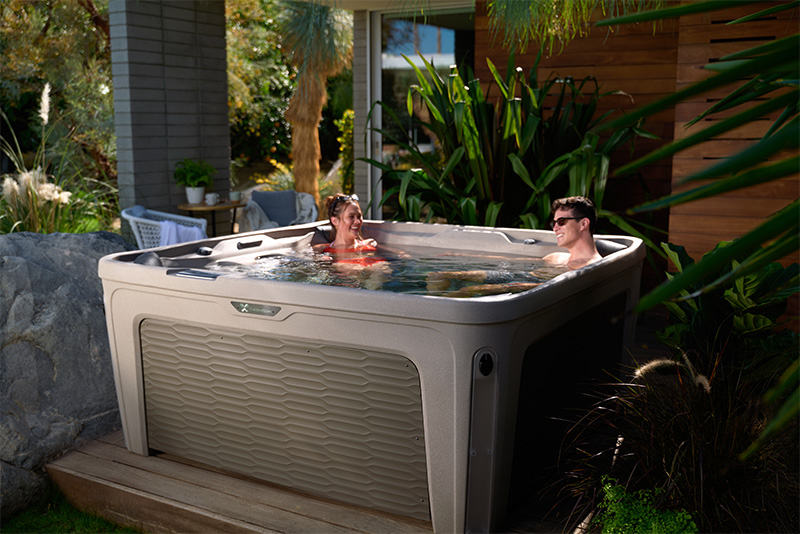
LED lighting, waterfalls, and built-in audio systems can enhance the atmosphere.
These features are worth considering if you plan to use your hot tub for entertaining or relaxing in the evenings.
However, comfort, reliability, and water care should generally take priority over decorative extras.
6. What to Look for When Comparing Hot Tub Brands
Brand reputation can be helpful, but the specific model’s construction, comfort, warranty, and available support are just as important.
When comparing hot tubs, focus on the following.
Comfort and Seating Design
Hot tub seats vary in depth, shape, and jet placement.
A model that looks comfortable online may feel different once you're sitting in it.
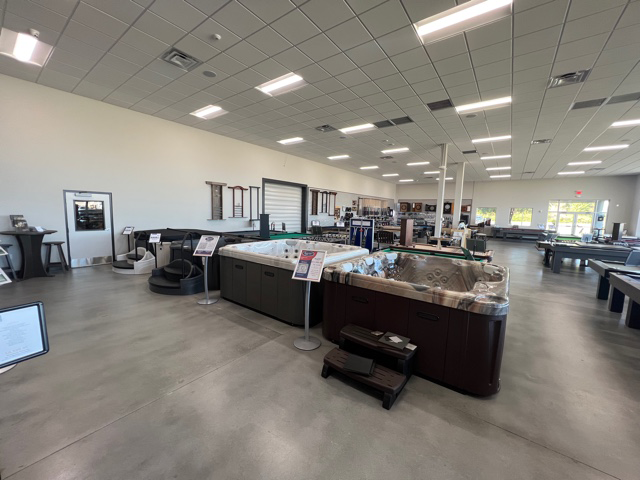
If possible, visit a showroom and try the seating configurations. Some dealers may also offer wet tests so you can experience the spa with water and jets operating.
Energy Efficiency
Ask about insulation, cover construction, and heating efficiency.
A well-insulated hot tub with a properly fitted cover can help reduce heat loss and maintain water temperature more efficiently.
Warranty Coverage
Review the manufacturer's warranty carefully.
Different components, including the shell, plumbing, equipment, and cabinet, may have different coverage periods and exclusions.
Also ask whether labor and travel charges are covered.
Service and Replacement Parts
A hot tub is a long-term purchase, so reliable service matters.
Find out whether the dealer provides service support, how warranty repairs are handled, and whether replacement parts are readily available.
Showroom Experience
Seeing hot tubs in person allows you to compare seating, finishes, controls, and features before making a decision.
At Everything Billiards & Spas, our team can help you explore your options and find a hot tub that fits your space, preferences, and budget.
7. New vs. Used Hot Tubs: Which Is Better?
Buying a used hot tub may seem like an easy way to save money, but there are important factors to consider.
Benefits of Buying a New Hot Tub
A new hot tub offers more opportunities to choose the size, seating layout, finish, and features you want.
You’ll also typically receive applicable manufacturer warranty coverage and have a clearer understanding of the spa’s maintenance history.
What to Check When Buying Used
If you’re considering a used hot tub, inspect it carefully for:
- Cracks, blisters, or damage to the shell
- Leaks around plumbing connections
- Worn or malfunctioning pumps
- Heating problems
- Damaged controls or electrical components
- Deteriorated insulation or cabinet materials
- Signs of improper water care or prolonged storage
Whenever possible, inspect a used hot tub while it’s filled, heated, and operating.
You’ll also need to account for transportation, electrical work, and any repairs required after installation.
A used spa can sometimes be a good value, but unexpected repairs can quickly reduce the savings.
8. Hot Tub Delivery and Installation: What to Expect
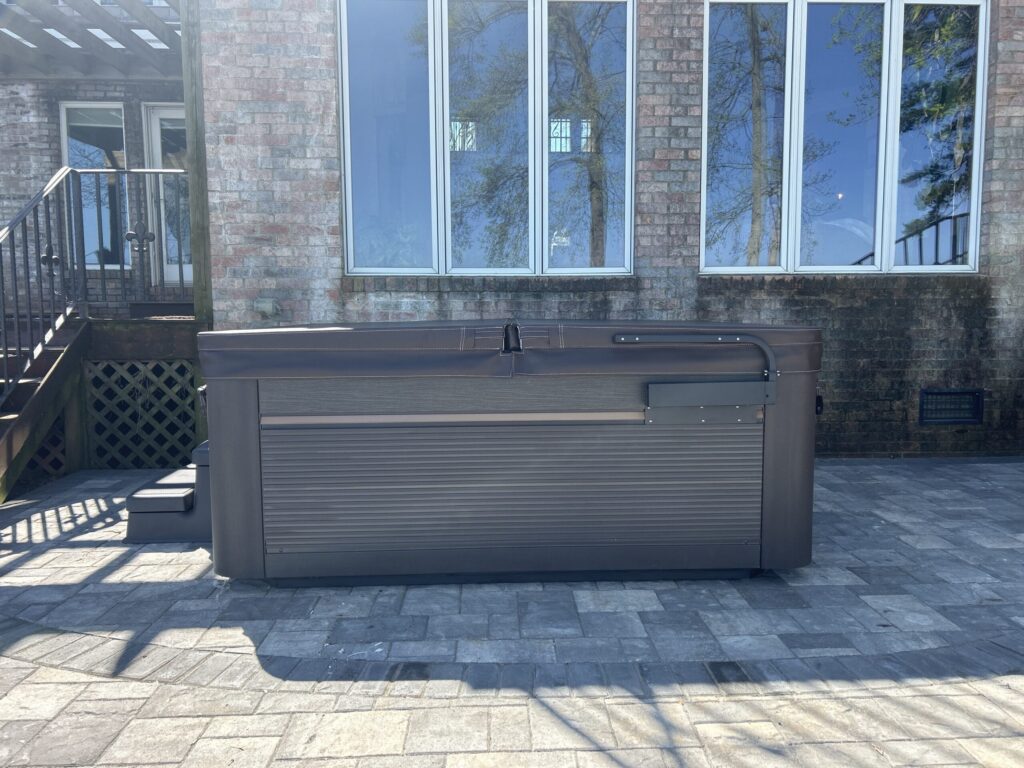
Once you’ve chosen your hot tub, proper installation helps ensure it’s safe, stable, and ready for use.
Step 1: Choose and Prepare the Location
Select a location with adequate space, drainage, and access.
The foundation must be level and capable of supporting the filled spa and its occupants.
Step 2: Plan the Electrical Connection
Many hot tubs require a dedicated electrical circuit installed by a licensed electrician.
Electrical requirements depend on the model and local codes, including appropriate GFCI protection and disconnect provisions.
Confirm the requirements before scheduling delivery.
Step 3: Confirm the Delivery Path
Measure gates, walkways, and other access points.
Hot tubs are often transported on their sides using specialized equipment, so delivery clearance may differ from the spa’s installed dimensions.
Some installations may require a crane or other lifting equipment.
Step 4: Position and Connect the Hot Tub
The spa is placed on its prepared foundation and connected according to the manufacturer’s requirements.
Step 5: Fill, Test, and Balance the Water
After installation, the hot tub is filled to the recommended level.
The system can then be tested, heated, and treated with the appropriate water care products before use.
9. How to Maintain Your Hot Tub
Hot tub ownership involves regular care, but a consistent routine can make maintenance manageable.
Test and Balance the Water
Regularly test your hot tub water and maintain sanitizer, pH, and alkalinity levels according to your spa and water care product instructions.
Balanced water helps protect equipment and keeps the spa comfortable to use.
Clean the Filters
Filters collect debris and help maintain water clarity.
Rinse and clean them according to the manufacturer's recommendations, and replace them when needed.
Drain and Refill When Necessary
Hot tub water needs periodic replacement.
The appropriate schedule depends on usage, water care methods, and manufacturer guidance.
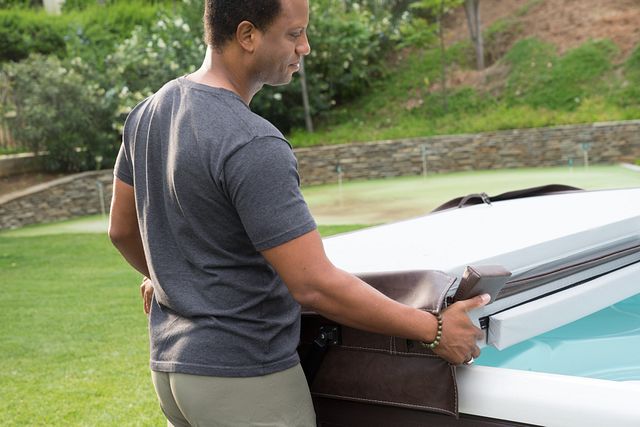
Keep the Cover Clean and Secure
A properly fitted cover helps retain heat and protect the water from debris.
Clean the cover regularly and inspect it for wear or damage.
Schedule Service When Needed
If you notice unusual noises, heating problems, leaks, or error messages, address them promptly.
Regular inspections and timely repairs can help prevent smaller problems from becoming more expensive.
10. Common Hot Tub Buying Mistakes to Avoid
A little planning can help you avoid surprises after your hot tub arrives.
Choosing a Hot Tub That's Too Large or Too Small
Consider how many people will realistically use the spa on a regular basis.
A larger model may be appealing, but it also requires more space and water.
Focusing Only on Jet Count
More jets don’t necessarily provide a better experience.
Comfort, jet placement, adjustability, and water flow are more useful factors to compare.
Ignoring Energy Efficiency
Heating and maintaining hot water requires energy.
Ask about insulation, cover quality, and expected operating costs before purchasing.
Overlooking Dealer Support
Choosing a dealer who can answer questions and assist with service can make a significant difference over the life of your hot tub.
Skipping the Showroom Visit
Photos and specifications are helpful, but they can’t fully communicate seating comfort or the feel of different jet systems.
Whenever possible, compare hot tubs in person before making your final decision.
11. Shopping for a Hot Tub in North Carolina
Buying a hot tub locally gives you an opportunity to compare models in person and get guidance from people familiar with the products and regional installation considerations.
Everything Billiards & Spas serves customers across the Charlotte, Greensboro, and surrounding North Carolina markets, with showroom options including the Ballantyne area and Huntersville.
Consider North Carolina's Climate
North Carolina homeowners can enjoy hot tubs throughout the year, but seasonal conditions still matter.
During colder months, quality insulation and a well-fitting cover help retain heat.
In warmer months, adjustable temperature settings and thoughtful placement can make the spa more comfortable.
Outdoor installations should also account for drainage, shade, and protection from falling leaves or other debris.
Think About Your Backyard Layout
Consider how the hot tub will fit into your existing outdoor living space.
A location near the house may provide convenient access, while a more secluded area can create a private retreat.
You’ll also want to think about lighting, privacy, landscaping, and safe walking surfaces.
Visit a Local Showroom
Seeing different hot tubs in person can make it easier to compare seating layouts, finishes, and features.
Whether you’re purchasing your first spa or upgrading an older model, our team can help you narrow down your options.
12. Hot Tub Buying Checklist
Before making your final decision, use this checklist to make sure you’ve covered the essentials.
- Measure your installation area and confirm maintenance clearance
- Choose the seating capacity that fits your household
- Compare plug-and-play and traditional hot tub options
- Evaluate shell construction, insulation, and cover quality
- Try different seating layouts and jet configurations
- Set a budget that includes installation and accessories
- Review warranty coverage and service options
- Confirm electrical requirements and delivery access
- Understand ongoing water care and maintenance needs
1. What size hot tub is best for a home?
The best size depends on how many people will use it regularly and how much space you have available. A two- or three-person hot tub can be ideal for couples, while four- to six-person models are popular for families. Larger models provide additional room for entertaining.
2. Is a plug-and-play hot tub worth buying?
A plug-and-play hot tub can be a good option for homeowners who want a simpler electrical setup and a smaller spa. However, heating performance and jet operation may be more limited than some traditional 240-volt models. The best choice depends on your priorities and how often you plan to use the spa.
3. How much electricity does a hot tub use?
Electricity usage varies based on spa size, insulation, water temperature, outdoor conditions, and frequency of use. A well-insulated hot tub with a quality cover can help reduce heat loss and manage energy costs.
4. How long does a hot tub last?
A well-maintained, quality hot tub can last 10 to 20 years or longer, although lifespan varies by construction, environment, usage, and maintenance. Components such as pumps, heaters, covers, and controls may need replacement during that time.
5. Can you use a hot tub year-round in North Carolina?
Yes. Many North Carolina homeowners use their hot tubs throughout the year. Proper insulation, a well-fitting cover, and consistent maintenance help support comfortable operation during colder weather.
6. How often should you change hot tub water?
Many hot tubs require draining and refilling approximately every three to four months, but the schedule depends on usage, water quality, the sanitizing system, and manufacturer recommendations. Regular testing and proper water care are essential between water changes.
7. Should I buy a hot tub online or from a local dealer?
Both options are available, but purchasing from a local dealer allows you to compare models in person, ask questions, and learn about installation and service options. This can be especially helpful for first-time hot tub buyers.
Find the Right Hot Tub at Everything Billiards & Spas
The best hot tub isn’t necessarily the largest or most expensive. It’s the one that fits your space, provides the comfort and features you want, and works with your lifestyle and budget.
Whether you’re looking for a compact spa for quiet evenings or a spacious hot tub for family gatherings, Everything Billiards & Spas can help you explore your options.
Ready to find your perfect hot tub? Call Everything Billiards & Spas at 336-790-8303 to speak with our team, ask questions, and get help choosing the right hot tub for your home.
You can also explore our hot tub selection online or visit an Everything Billiards & Spas showroom to compare models in person.