
Home Sauna Buying Guide
EVERYTHING BILLIARDS & SPAS
Home Sauna Buying Guide: Infrared vs. Traditional vs. InfraSauna
Adding a sauna to your home gives you a convenient place to disconnect, warm up, and enjoy a little quiet time whenever you need it. No appointments, no trips to the gym, and no waiting for someone else to finish their session. Just a comfortable space that’s ready when you are.
The challenge is figuring out which sauna is right for you.
Traditional saunas deliver the familiar experience of a hot room and heated stones. Infrared saunas use radiant heat for a different kind of warmth. And InfraSauna models combine both heating methods, giving you more flexibility in a single unit.
Each option has its own advantages, so the best choice depends on what you enjoy, where you plan to install your sauna, and how you expect to use it.
This home sauna buying guide explains the differences between infrared, traditional, and InfraSauna models. We’ll also cover sizing, materials, electrical requirements, pricing, and upkeep so you can shop with a clearer idea of what matters.
Thinking about adding a sauna to your home? Call Everything Billiards & Spas at 336-790-8303 to talk with our team about available sauna options and find a model that suits your space and preferences.
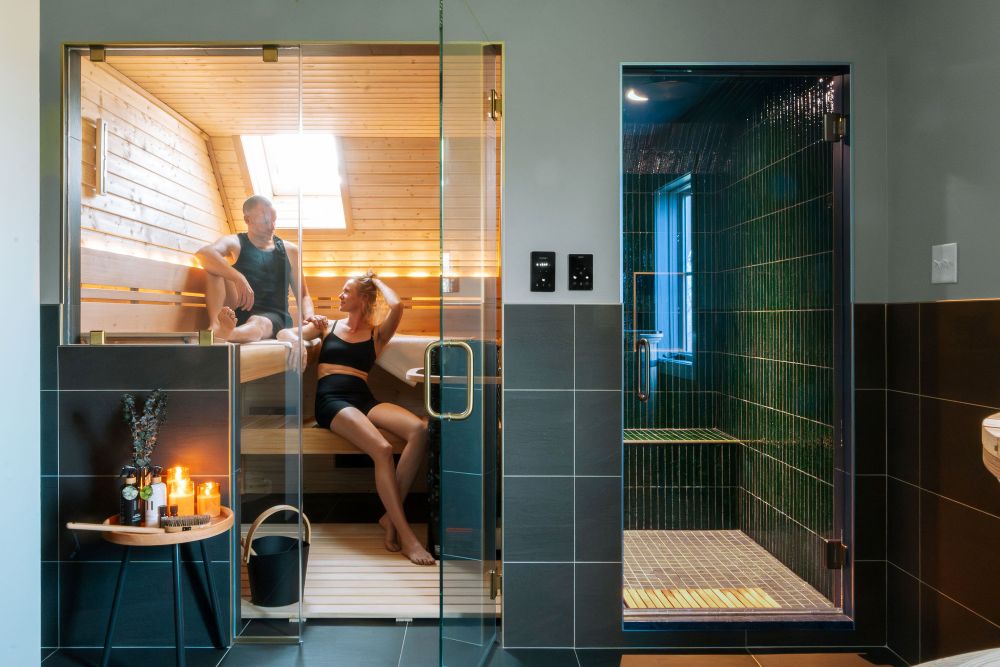
1. Understand the Three Main Types of Home Saunas
Before comparing dimensions or finishes, it’s helpful to understand how different saunas produce heat. The heating system has a major influence on temperature, humidity, warm-up time, and the overall experience.
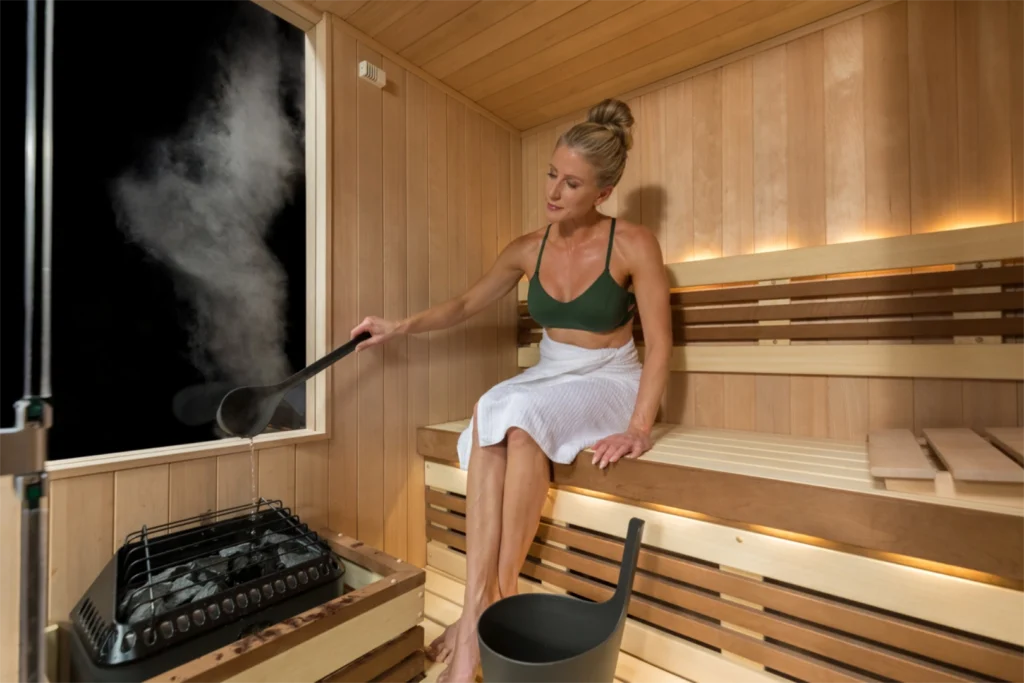
Traditional Saunas
Traditional saunas use an electric heater or another approved heat source to warm the room. Many electric models include sauna stones that store heat and allow users to create brief bursts of steam by adding water according to the manufacturer’s instructions.
The air becomes hot, and the surrounding surfaces warm up as the sauna reaches its operating temperature.
Traditional saunas are a good match for people who enjoy:
- Higher room temperatures
- The classic sauna atmosphere
- Adjustable humidity through water on approved heater stones
- A more intense, enveloping feeling of heat
If you’ve enjoyed a traditional sauna at a gym or spa, this is likely the experience you’re most familiar with.

Infrared Saunas
Infrared saunas work differently. Rather than relying primarily on heating the air, infrared emitters transfer radiant energy to your body and surrounding surfaces.
Because the room generally operates at a lower air temperature than a traditional sauna, some people find infrared sessions more comfortable.
Infrared saunas may appeal to homeowners who prefer:
- A milder room temperature
- Radiant warmth without the same level of hot air
- Straightforward controls and regular at-home sessions
- A sauna experience without adding water to heated stones
Infrared saunas can still feel quite warm, especially during longer sessions. Comfort varies from person to person.
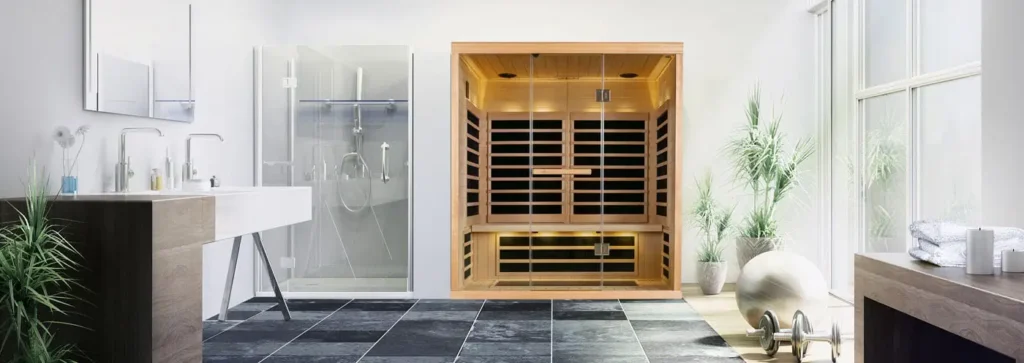
InfraSauna Combination Saunas
An InfraSauna combines traditional sauna heating with infrared technology in one cabin.
Depending on the model, you may be able to select traditional heat, infrared heat, or a combination of the two.
This flexibility makes combination saunas particularly interesting for households where people have different preferences.
One person might enjoy the higher temperatures of a traditional sauna, while another prefers the gentler air temperature of an infrared session.
Before purchasing, check the specific model’s operating modes. Not every combination sauna allows both systems to operate simultaneously.
Infrared vs. Traditional vs. InfraSauna Comparison
| Feature | Traditional Sauna | Infrared Sauna | InfraSauna |
|---|---|---|---|
| Heating method | Heated air and surfaces | Infrared radiant heat | Both technologies |
| Air temperature | Generally higher | Generally lower | Depends on selected mode |
| Steam option | Often available with approved heater stones | Typically unavailable | Available in traditional mode on compatible models |
| Warm-up experience | Room needs time to heat | Radiant warmth can be felt before the room becomes very hot | Varies by mode |
| Best suited for | Classic sauna enthusiasts | Those who prefer lower air temperatures | Households wanting flexibility |
2. Decide Which Sauna Experience You Prefer
Specifications are useful, but how you feel inside a sauna matters just as much.
Think about what you want from your sessions before choosing a heating system.
Do You Enjoy High Heat?
If you like the feeling of stepping into a very warm room, a traditional sauna may be your first choice.
Traditional models commonly operate around 150°F to 195°F, depending on the heater, controls, and manufacturer recommendations.
The heat surrounds you, creating the familiar sauna environment many people associate with Nordic-style bathing.
Would You Rather Have a Lower Air Temperature?
Infrared saunas typically operate at lower air temperatures, often around 110°F to 140°F, although operating ranges vary.
Instead of relying on extremely hot air, the infrared system provides radiant warmth.
Some homeowners appreciate this approach because they can enjoy a warm session without the higher ambient temperatures of a traditional sauna.
Do Different People in Your Household Want Different Things?
This is where an InfraSauna can be especially useful.
A combination model gives you more options without requiring two separate saunas.
You can choose the heating experience that feels right for the day, subject to the modes supported by your specific unit.
Shopping tip: If you’re unsure which style you’ll enjoy most, ask about opportunities to experience different sauna types before purchasing. Reading about temperature differences is helpful, but personal comfort is the deciding factor.
3. Choose the Right Sauna Size for Your Home
Once you’ve narrowed down the heating method, consider how many people will regularly use the sauna.
A larger cabin provides more seating room, but it also takes up more floor space and may require a larger heater or electrical circuit.
1-2 person
One- to Two-Person Saunas
Typical Use
Individual sessions or couples
Space Considerations
Smaller footprint
Compact saunas work well for individuals, couples, and homes with limited available space.
They can be suitable for a spare room, home gym, or another approved indoor location.
Pay attention to the actual bench dimensions. A sauna advertised for two people may feel snug depending on the occupants.
3-4 person
Three- to Four-Person Saunas
Typical Use
Shared sessions with more room
Space Considerations
Moderate floor space
Mid-size saunas offer more room to sit comfortably and may provide additional seating arrangements.
These models can be a good fit for couples who prefer extra space or households where several people occasionally share a session.
5+ person
Five-Person and Larger Saunas
Typical Use
Families and group use
Space Considerations
Larger dedicated area
Larger cabins are worth considering when you expect regular group use or want roomier benches.
They require more installation space and may involve additional electrical and ventilation considerations.
Sauna Size Comparison
Capacity ratings are approximate. Compare actual interior measurements, bench lengths, and manufacturer specifications before selecting a model.
| Sauna Capacity | Typical Use | Space Considerations |
|---|---|---|
| 1-2 person | Individual sessions or couples | Smaller footprint |
| 3-4 person | Shared sessions with more room | Moderate floor space |
| 5+ person | Families and group use | Larger dedicated area |
4. Find the Best Location for Your Sauna
Choosing the right installation area is an important part of the buying process.
A sauna needs more than an open corner. You’ll need to consider electrical access, ventilation, floor conditions, and the manufacturer’s installation clearances.
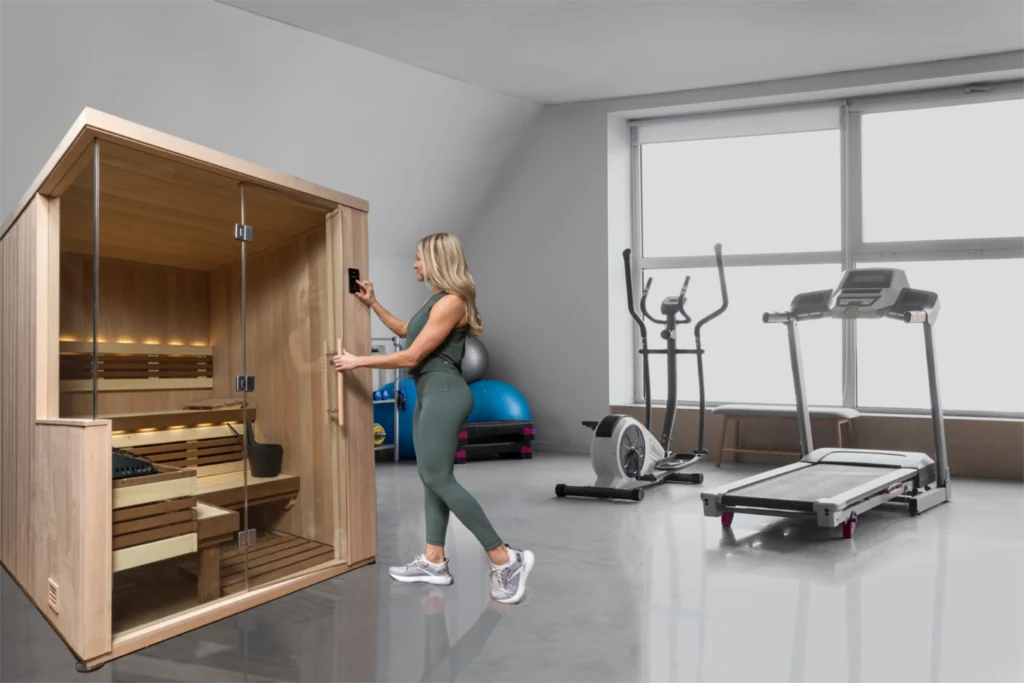
Indoor Sauna Installation
Indoor saunas are popular because they’re convenient to access throughout the year.
Potential locations include:
- Home gyms
- Finished basements
- Spare rooms
- Dedicated wellness rooms
- Other manufacturer-approved interior spaces
Choose a location with suitable flooring and enough room to assemble, enter, and maintain the unit.
Traditional saunas also require appropriate ventilation and installation clearances. These requirements should be confirmed before purchasing.
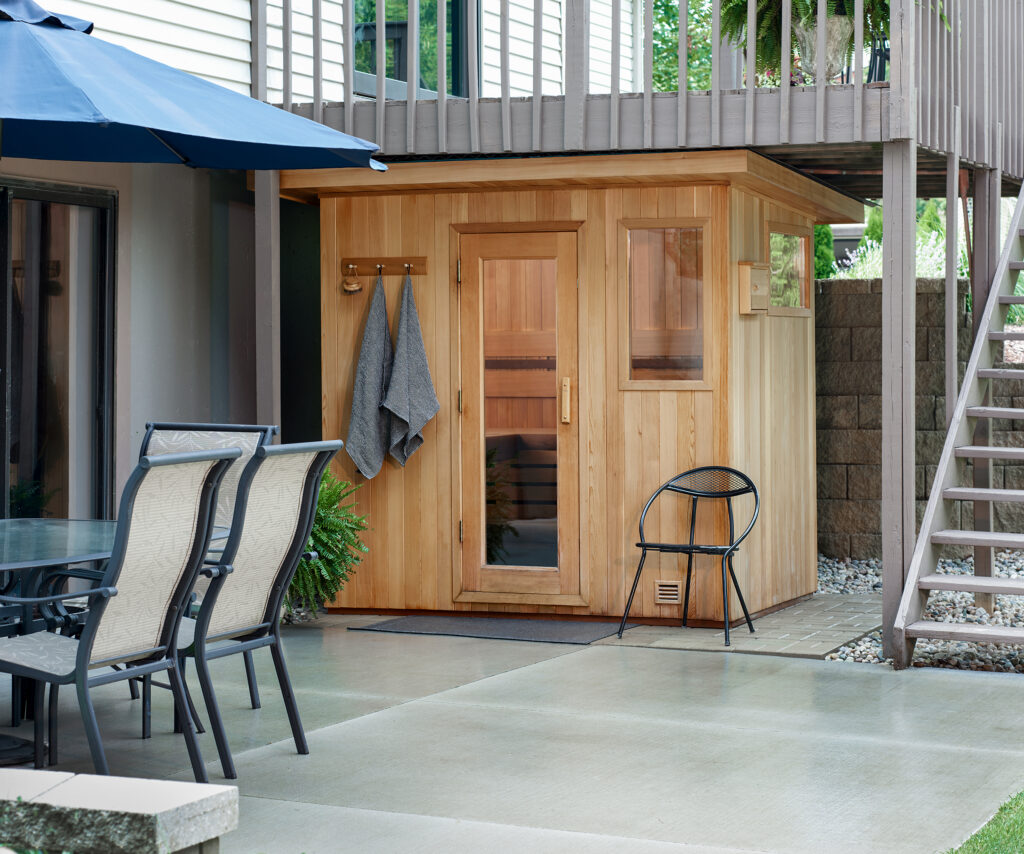
Outdoor Sauna Installation
An outdoor sauna can turn part of your backyard into a private retreat.
Outdoor models are designed for exterior conditions, but you’ll still need a suitable foundation, proper electrical installation, and adequate drainage.
Consider how far you’ll need to walk between your home and sauna, particularly during colder or rainy weather.
Can You Install an Indoor Sauna Outside?
Not unless the manufacturer specifically approves the model for outdoor installation.
Indoor cabins may not be built to withstand rain, prolonged humidity, direct sunlight, or changing outdoor temperatures.
If you’re planning a backyard setup, choose a model designed and rated for that environment.
Plan for Doorways and Assembly
Before ordering, check the dimensions of the sauna’s shipping components.
Measure hallways, stairways, and door openings along the delivery route. Also confirm whether the cabin requires assembly clearance above or around the unit.
5. Understand Sauna Materials and Construction
A sauna’s appearance may catch your attention, but its construction plays an important role in comfort and longevity. Wood selection, insulation, door construction, and heater quality can all affect the ownership experience.
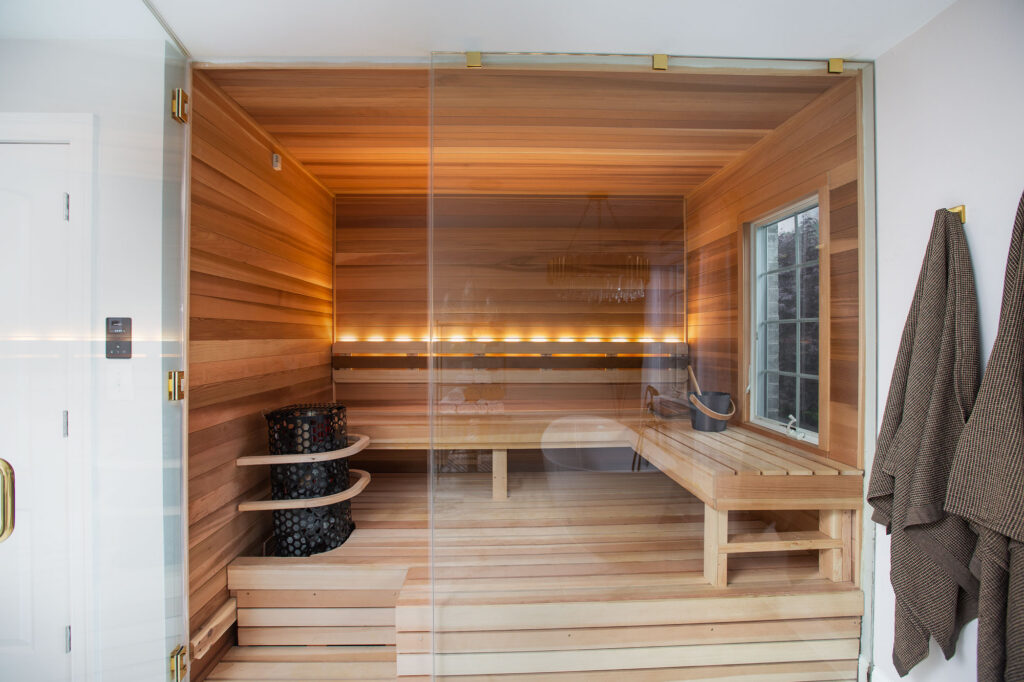
Common Sauna Wood Options
Several wood species are used in residential sauna construction.
Cedar is popular for its distinctive aroma, appearance, and natural resistance to decay. It can be an attractive option for homeowners who enjoy the traditional wood-lined sauna environment.
Hemlock offers a lighter appearance and relatively subtle scent. It’s often selected for its clean, contemporary look.
Spruce and other softwoods are also used in sauna construction, particularly in traditional cabin designs.
No single wood is automatically best for every buyer. Consider appearance, scent sensitivity, manufacturer specifications, and the quality of the finished construction.
Insulation and Heat Retention
Traditional saunas benefit from construction that helps retain heat and maintain a consistent indoor temperature.
Insulation methods vary by model and design.
Infrared cabins may use different construction methods because their heating systems operate differently.
Ask how the sauna is designed to manage heat and whether its construction is appropriate for the intended installation environment.
Doors, Benches, and Hardware
Look beyond the exterior finish.
Check that the benches feel sturdy, the door operates smoothly, and the interior provides enough room to sit comfortably.
Glass doors can create a more open appearance, while wood-and-glass combinations offer different design options.
Quality hardware and thoughtful construction details can make daily use more enjoyable.
6. How Much Does a Home Sauna Cost?
Home sauna pricing depends on the heating system, size, materials, design, and included features.
Compact infrared cabins may be available at lower price points than large traditional or combination saunas, but pricing varies considerably between manufacturers.
What Influences Sauna Pricing?
Several factors affect the purchase price:
Heating technology
Traditional, infrared, and combination systems use different equipment.
Cabin size
Larger saunas generally require more materials and heating capacity.
Wood selection
Premium materials and specialty finishes may increase costs.
Heater quality
Heating capacity, controls, and construction influence pricing.
Interior features
Upgraded benches, lighting, and accessories may add to the total.
Installation requirements
Electrical work, site preparation, and assembly can affect the final investment.
Infrared vs. Traditional Sauna Costs
An infrared sauna may have a simpler installation process when it is designed for a compatible household electrical connection.
However, some infrared models require dedicated circuits or higher-voltage connections.
Traditional saunas commonly require a dedicated electrical circuit sized for the heater, along with appropriate ventilation and clearances.
Combination saunas may cost more because they include multiple heating technologies.
Consider Operating Costs
Electricity use depends on heater wattage, session duration, warm-up time, insulation, and local electricity rates.
For example, a 3-kilowatt heater running at full power for one hour consumes 3 kilowatt-hours of electricity. Actual usage may be lower when thermostatic controls cycle the heater.
When comparing saunas, ask about the heater’s power requirements and expected usage rather than assuming one technology is always less expensive to operate.
Budget for the Complete Setup
In addition to the sauna itself, you may need to account for electrical installation, floor preparation, delivery, assembly, and accessories.
Getting a complete estimate helps you compare models more accurately.
7. Compare Sauna Features Before Buying
Modern residential saunas offer a variety of features, but not every upgrade will be important to every homeowner.
Focus on the details that will improve your everyday experience.
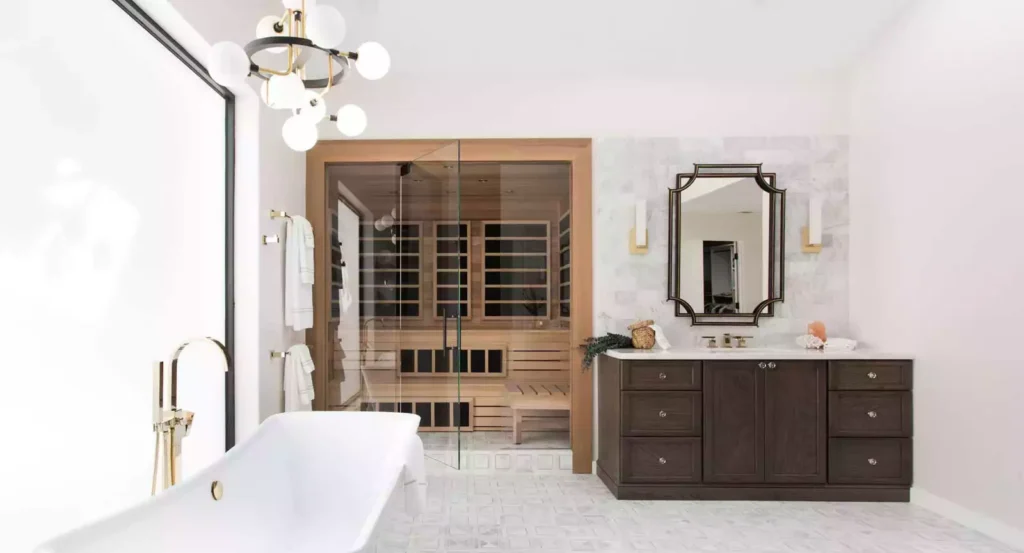
Heating Controls
Look for controls that are easy to understand and operate.
Depending on the model, you may have adjustable temperature settings, timers, and preset operating modes.
Some saunas also offer remote or app-based controls. Check what functions are available and follow all manufacturer safety instructions.
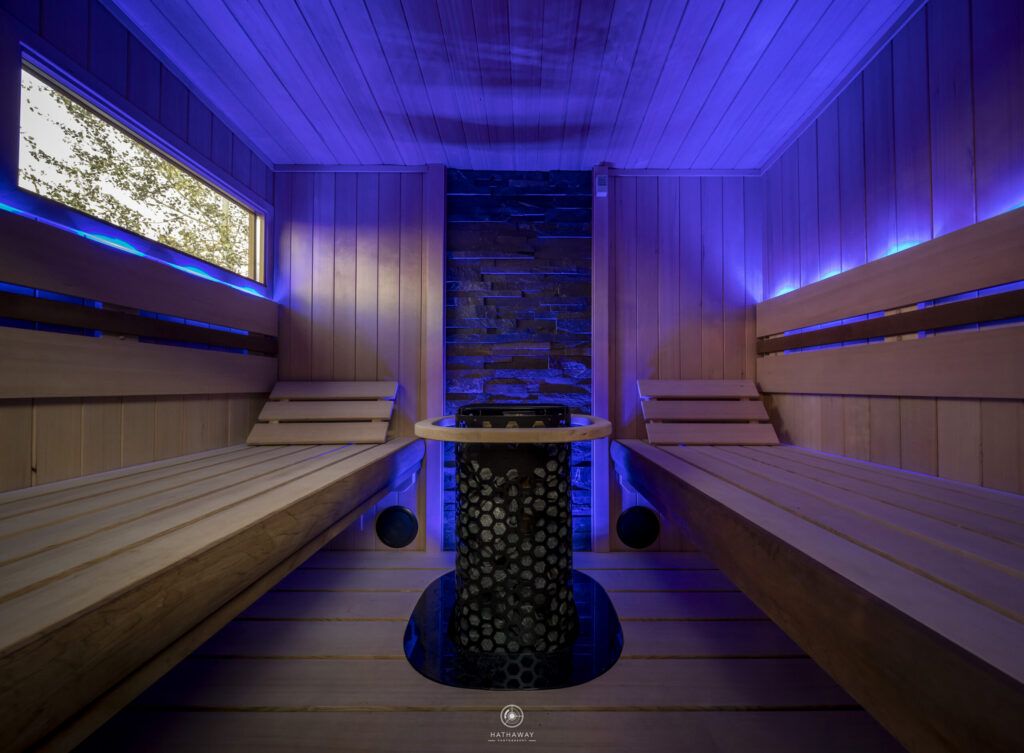
Interior Lighting
Lighting can influence the atmosphere inside your sauna.
Some models include simple interior lights, while others offer adjustable LED or chromotherapy-style lighting.
Choose the option that matches the environment you want to create.
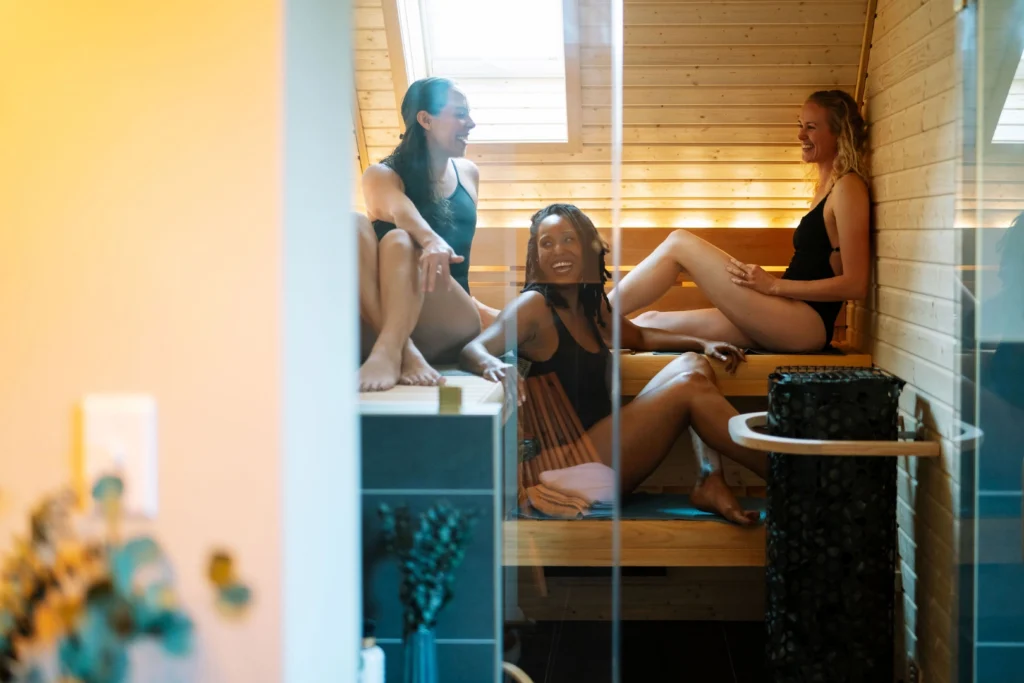
Bench Comfort and Layout
Bench depth, height, and positioning affect how comfortably you can sit during a session.
Traditional saunas may offer multiple bench levels, allowing users to experience different temperatures within the same cabin.
Infrared saunas often position emitters around the seating area to provide radiant warmth from different directions.

Audio and Additional Features
Some models include speakers, Bluetooth connectivity, or other convenience features.
These additions can be enjoyable, but they shouldn’t take priority over reliable heating, comfortable seating, and quality construction.
8. Sauna Delivery and Installation: What to Expect
Installation requirements differ by sauna type, but a little preparation can help the process go smoothly.
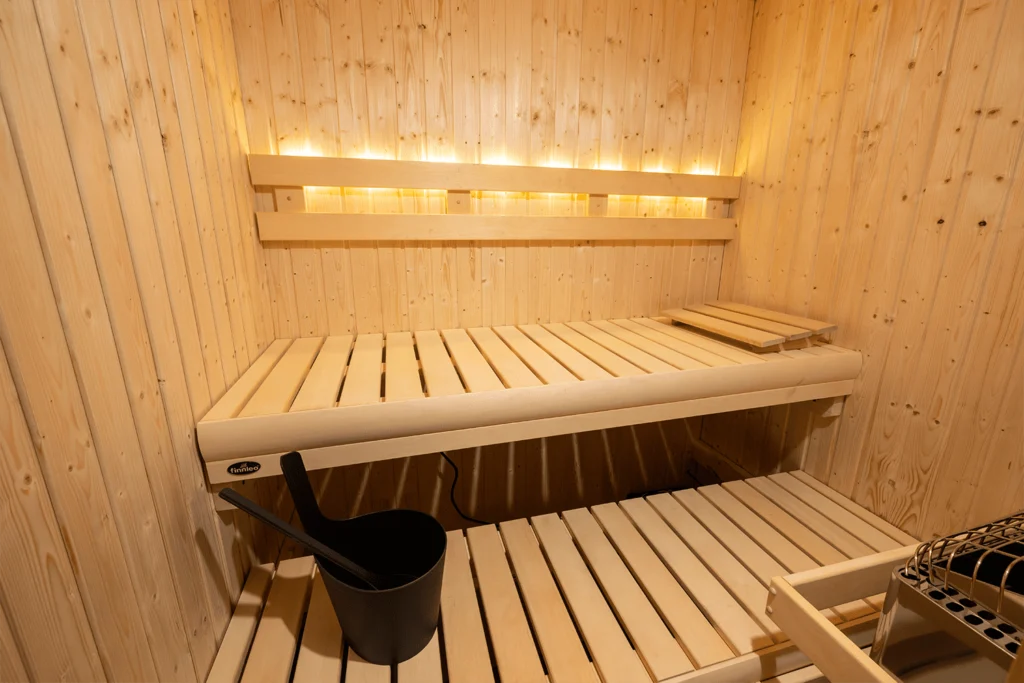
Step 1: Confirm the Installation Location
Measure the available area and verify the manufacturer’s clearance requirements.
Check ceiling height, floor suitability, and any ventilation needs.
Step 2: Review Electrical Requirements
Some compact infrared saunas operate on 120-volt power, while larger infrared, traditional, and combination models may require 240-volt circuits.
The correct connection depends on the specific sauna and heater.
Have a qualified electrician evaluate the installation and complete any required electrical work.
Step 3: Prepare the Space
Make sure the installation area is accessible, level, and ready for assembly.
Outdoor saunas may require a dedicated foundation or other site preparation.
Step 4: Assemble and Position the Sauna
Depending on the model, the cabin may arrive in prefabricated panels or multiple components.
Follow the manufacturer’s assembly instructions and use professional installation when required.
Step 5: Test the Heating System
After installation, verify that the controls, heating system, and safety features operate according to the manufacturer’s instructions.
Read the owner’s manual before your first session, including any recommended initial heating or ventilation procedures.
9. How to Care for Your Home Sauna
Saunas generally require less routine water treatment than hot tubs, but regular cleaning and proper use still matter.
A few simple habits can help keep your sauna looking and functioning its best.
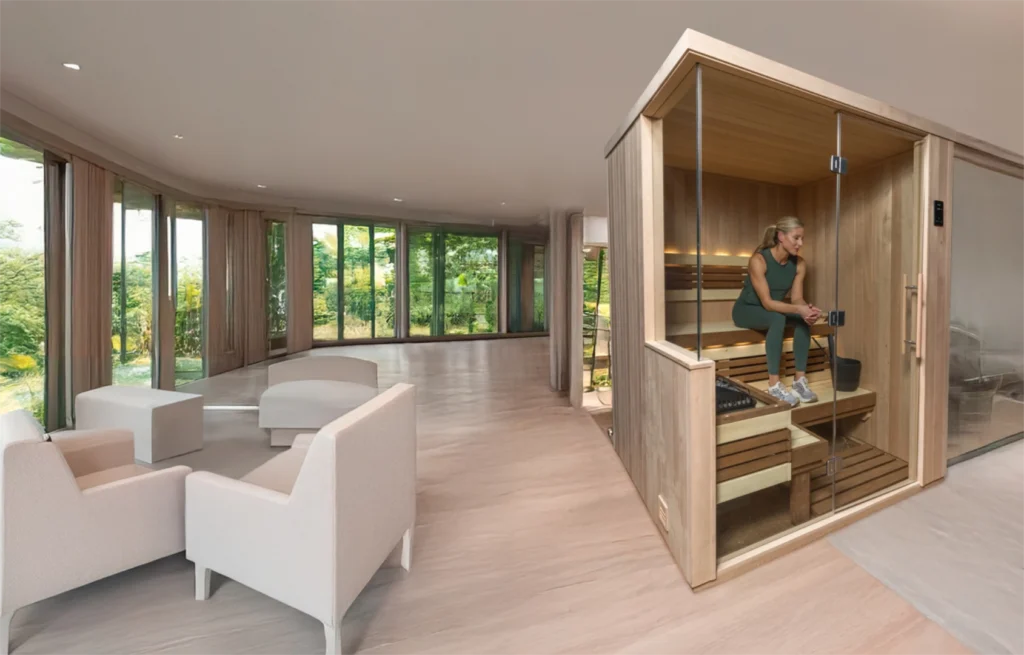
Keep Benches and Interior Surfaces Clean
Place a clean towel on the bench during sessions to reduce contact with perspiration.
Wipe surfaces with products and methods approved by the manufacturer.
Avoid soaking wood or using harsh household cleaners that could damage finishes or leave unwanted residues.
Allow the Cabin to Dry
After a session, follow the manufacturer's recommendations for ventilation and drying.
This is particularly important in traditional saunas where water may be used on approved heater stones.
Inspect the Heater and Controls
Check for visible damage, unusual operation, or error messages.
Keep required heater clearances free of towels, clothing, and other combustible materials.
Never modify heating components or electrical connections yourself.
Maintain Outdoor Sauna Exteriors
Outdoor units may need additional care to protect exposed surfaces from weathering.
Follow the manufacturer's guidance for cleaning and maintaining the exterior materials.
Follow the Recommended Service Schedule
Refer to the owner's manual for inspections, heater maintenance, and replacement parts.
If your sauna stops heating properly or develops an electrical issue, contact a qualified service professional.
10. Common Sauna Buying Mistakes to Avoid
A sauna is a long-term home addition, so it’s worth taking time to compare your options carefully.
Choosing Based Only on Temperature
A higher maximum temperature doesn’t necessarily mean a better sauna.
Think about the heating experience you actually enjoy, including radiant warmth, hot air, and the option for steam.
Assuming All Infrared Saunas Are the Same
Infrared systems vary in emitter design, placement, operating temperature, and controls.
Compare specific models instead of treating every infrared sauna as identical.
Overlooking Electrical Requirements
Not every sauna can plug into a standard household outlet.
Confirm the required voltage, amperage, and circuit configuration before purchasing.
Buying Without Checking Interior Dimensions
Advertised capacity doesn’t always tell you how comfortable a cabin will feel.
Review bench measurements and available seating space, especially if several people will use the sauna.
Choosing an Indoor Model for an Outdoor Space
Indoor saunas may not be built for exposure to the elements.
Make sure the model is approved for its intended location.
Forgetting About Long-Term Support
Ask about warranty coverage, replacement heaters, controls, and service availability.
Reliable support can make ownership much easier if a component eventually needs attention.
11. Shopping for a Home Sauna in North Carolina
A home sauna can be a great addition to a North Carolina home, whether you’re creating a wellness room indoors or adding a dedicated retreat to your backyard.
Everything Billiards & Spas serves customers throughout the Charlotte, Greensboro, and surrounding North Carolina markets, including the Ballantyne and Huntersville areas.
Consider North Carolina's Humidity
Humidity is an important consideration, especially for outdoor installations and enclosed indoor spaces.
Choose materials and installation methods appropriate for the environment, and follow manufacturer recommendations for ventilation and moisture management.
Plan for Year-Round Use
An indoor sauna offers convenient access regardless of the weather.
An outdoor sauna can provide a different atmosphere, but you’ll want to think about weather exposure, walking surfaces, and access during rainy or colder months.
Compare Models in Person
Sauna dimensions, wood finishes, seating arrangements, and controls can be difficult to judge from photos alone.
Visiting a showroom gives you an opportunity to ask questions and explore available options.
The Everything Billiards & Spas team can help you compare traditional, infrared, and combination sauna features to find an option that works for your home.
12. Home Sauna Buying Checklist
Before purchasing, review these important considerations.
- Decide whether you prefer traditional heat, infrared heat, or both
- Determine how many people will regularly use the sauna
- Measure your available space and delivery access
- Choose a model approved for indoor or outdoor installation
- Compare wood materials, benches, and heating systems
- Confirm electrical, ventilation, and clearance requirements
- Set a budget that includes delivery and installation
- Review warranty coverage and service availability
- Understand cleaning and maintenance requirements

1. What is the main difference between infrared and traditional saunas?
Traditional saunas heat the surrounding air and interior surfaces, creating a high-temperature environment. Infrared saunas use radiant energy to warm the body and surrounding surfaces while generally operating at lower air temperatures. The better choice depends on which experience you prefer.
2. What is an InfraSauna?
An InfraSauna is a combination sauna that includes both traditional and infrared heating technologies. Depending on the model, users can choose between different heating modes, providing more flexibility than a single-system sauna.
3. Which type of sauna is best for beginners?
Many beginners appreciate infrared saunas because they typically operate at lower air temperatures. However, some people prefer the traditional sauna experience from the beginning. The most important factors are comfort, manufacturer instructions, and personal preference.
4. Do home saunas require special electrical wiring?
Some compact infrared saunas are designed for compatible 120-volt connections, while many traditional, larger infrared, and combination models require dedicated 240-volt circuits. Always verify the exact electrical specifications before installation.
5. Can you install a sauna in a basement?
Yes, many saunas can be installed in basements if the location meets the manufacturer’s requirements for flooring, ventilation, electrical service, and clearances. Moisture management is especially important in enclosed spaces.
6. Are infrared saunas cheaper to operate than traditional saunas?
Infrared saunas may use less electricity per session in some situations because they often have lower-rated heating systems and different warm-up requirements. However, actual costs depend on heater power, session length, insulation, and electricity rates. Comparing specific models provides a more useful estimate.
7. How long should you stay in a home sauna?
Session length depends on the sauna type, temperature, individual tolerance, and manufacturer guidance. New users should begin with shorter sessions, increase gradually if comfortable, and leave immediately if they feel dizzy, weak, or unwell. Stay hydrated, avoid alcohol, and consult a healthcare professional before sauna use if you have medical concerns or take medications that affect heat tolerance.
Find Your Ideal Home Sauna at Everything Billiards & Spas
Choosing a sauna comes down to the experience you want to enjoy at home.
Maybe you love the intense warmth and classic atmosphere of a traditional sauna. Perhaps the lower air temperature of infrared heating sounds more appealing. Or you might want the versatility of an InfraSauna that offers both options.
Whatever your preference, taking time to compare heating methods, cabin sizes, materials, and installation requirements will help you make a confident decision.
Ready to explore home saunas? Call Everything Billiards & Spas at 336-790-8303 to speak with our knowledgeable team about sauna options, features, and finding the right fit for your home.
You can also browse our sauna selection online or visit an Everything Billiards & Spas showroom to learn more about available models.
