
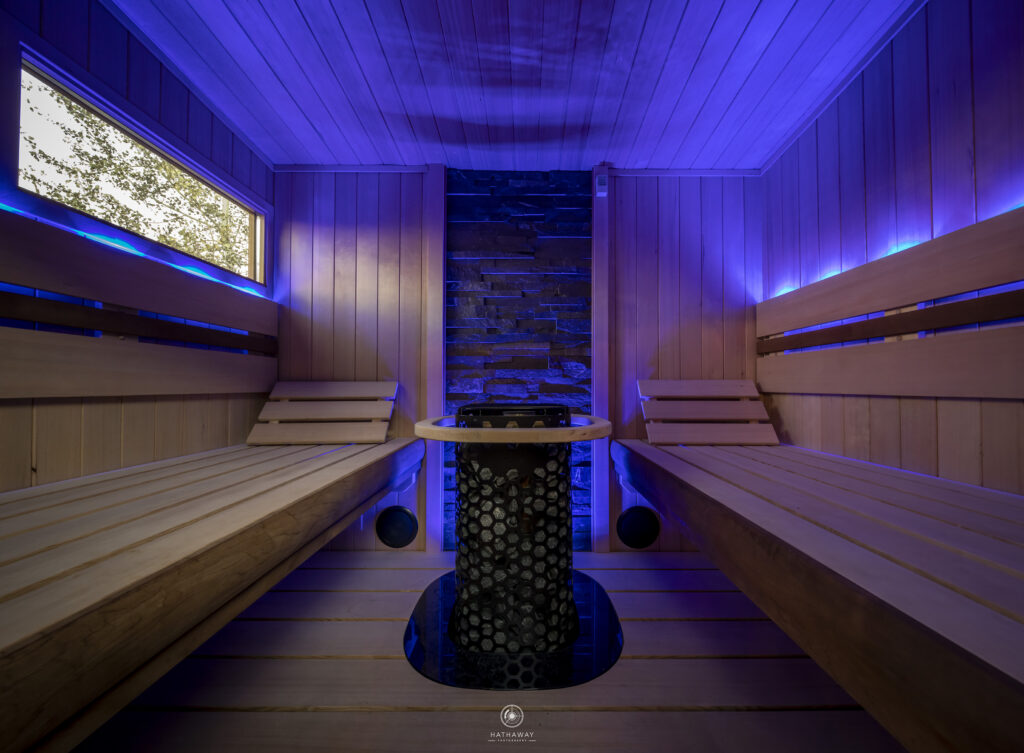
When it comes to heat therapy, two main contenders dominate the wellness world: the traditional Finnish sauna and the modern infrared sauna. While both get you sweating and offer potential health benefits, they deliver heat in very different ways, creating distinct experiences. Understanding these differences can help you choose the right one for your lifestyle, health goals, and personal comfort.
How They Work
Traditional saunas, rooted in Finnish culture for centuries, heat the surrounding air to temperatures between 150 and 194°F using a wood-burning stove, electric heater, or sometimes heated rocks with water for steam. The hot, dry air warms your body through convection and conduction, raising your core temperature and triggering a deep sweat. Sessions typically last 10 to 20 minutes, often followed by a cooling plunge or shower.
In contrast, infrared saunas use infrared light panels to emit wavelengths that penetrate the skin and heat your body directly, rather than warming the air. Operating at a milder 110 to 130°F, these saunas allow for longer sessions—often 30 to 45 minutes—since the lower temperature feels more tolerable. The heat feels gentle and penetrates deeper into tissues, targeting muscles, joints, and organs more efficiently.
Health Benefits: The Evidence
Both types of saunas promote sweating, relaxation, and improved circulation. Research leans more heavily on traditional saunas for long-term health outcomes, linking regular use with reduced risk of cardiovascular disease, lower blood pressure, improved endothelial function, and decreased all-cause mortality. The intense heat mimics cardiovascular exercise by elevating heart rate and can spike human growth hormone by two to three hundred percent, supporting tissue repair and adaptation.
Infrared saunas are particularly helpful for pain management. The direct infrared penetration provides relief for conditions such as arthritis, fibromyalgia, and chronic joint pain. Both saunas are excellent for muscle recovery: traditional through the significant growth hormone boost and cardiovascular conditioning, and infrared through gentler, longer sessions that ease soreness without adding extra stress to an already fatigued body.
Debunking the Myths
One common claim you’ll hear about both saunas is their “detox” power. While sweating does excrete small amounts of toxins like heavy metals, the effect is minimal compared to what your liver and kidneys handle daily. Neither sauna is a miracle detoxifier—marketing often exaggerates these benefits. Always prioritize hydration and consult a doctor if you have underlying health conditions.
Which Should You Choose?
• Choose a traditional sauna if you’re focused on heart health, longevity, and maximizing growth hormone response. The higher heat delivers a more intense experience that many find invigorating.
• Opt for an infrared sauna if you have heat sensitivity, chronic pain, or prefer a gentler, longer session. It’s more accessible for beginners or those with mobility issues.
• Many enthusiasts use both: traditional for cardiovascular training and hormonal benefits when they’re fresh, and infrared for convenient daily recovery when their body is already taxed.
Ultimately, consistency matters more than the type. Pick the sauna you’ll actually use regularly, stay hydrated, and listen to your body. Both can be powerful tools for better health, recovery, and relaxation when used safely.